

You've covered health apps. You've written about AI in medicine. You've profiled genomics companies. But healthcare's infrastructure layer is forming right now, and most reporters haven't caught it yet. Life AI is the coordination layer that makes health research 16× faster, innovation more accessible, and breakthroughs more repeatable. When Kalbe Farma compresses 24 months of product development into 6 weeks, that demonstrates infrastructure working at scale.
Get in Touch
Why This Moment
Is The Story
Timing creates categories
Cloud infrastructure formed in the 2000s. Data platforms consolidated in the 2010s. Health infrastructure is forming now. The winners aren't obvious yet, but the category is taking shape. Your readers care about who's defining it.
The disruption economics are real
Hue Central Hospital ran Southeast Asia's largest autism genetics study for $10K instead of $250K. GenAI Fund accelerated Parkinson's drug discovery by 40%. These represent structural shifts in how health innovation happens.
The founder
thesis is sharp
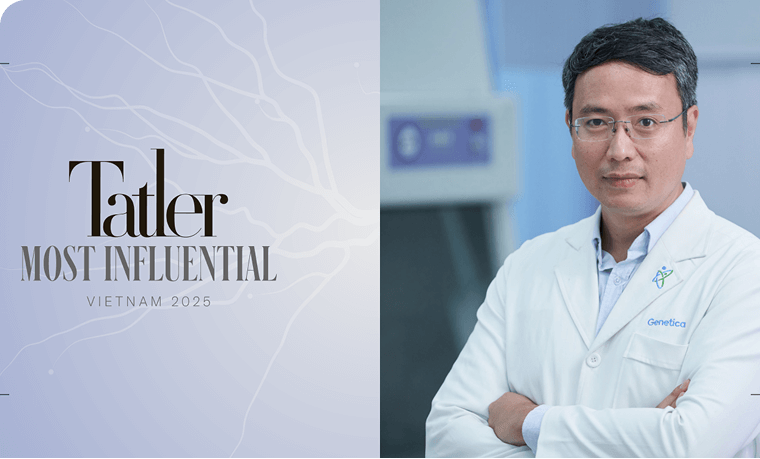
Tuan Nguyen is building the operating system for health innovation itself, integrating AI, biotech, and human participation as shared infrastructure. That's a different category conversation.
What Makes
This Defensible

Once the Biohub coordinates real-world health dynamics, AI pattern recognition, and scientific rigor, replication becomes structurally difficult. Network depth, integration complexity, and ecosystem trust compound over time. Late entrants can't rebuild what early formation creates.
Coverage Angles Available
Category creation
How Life AI is defining "Biohub infrastructure" as a new vertical
Disruption economics
Why coordination beats fragmentation in healthcare
Founder narrative
Tuan's vision for healthcare realigned around human outcomes
Scientific validation
Research that was previously impossible, now peer-reviewed
Timing thesis
Why health infrastructure is forming now (and what it means)